

Blog
Pharmaceutical Counterfeiting: How to Fight Fake Drugs
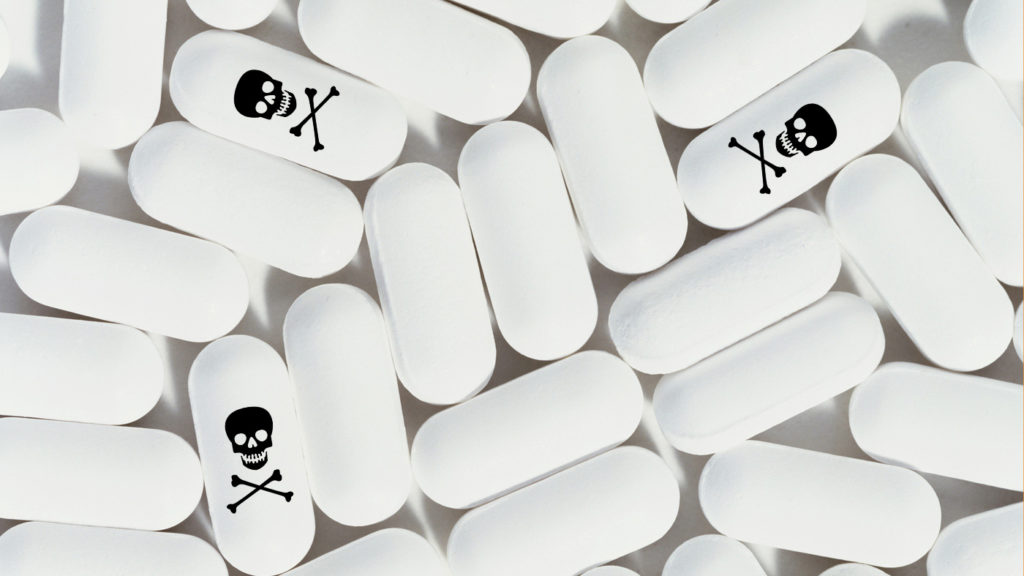
EXIP law firm has seen from its own experience that pharmaceuticals are the area that suffers most from counterfeits and fakes. So what should pharmaceutical company owners and their customers know about drug counterfeiting?
Current situation
Falsified medicines are, unfortunately, not rare today. Criminals come up with all sorts of tricks: they mix plain starch with water, add food dyes, and so on. Specialists can identify counterfeit medicines right away, but buyers often have no suspicion and at best buy a “dummy” that will not help with treatment in any way. In the worst case, health problems and even death are possible.
Such cases, of course, occur in all developed countries, but we have to state that in our country the fight against drug counterfeiting is very weak, and all the responsibility falls on the shoulders of pharmaceutical manufacturers.
Types of counterfeit medicines
Let us look at the types of pharmaceutical counterfeits that exist. This information will be useful both to business owners and to ordinary people:
- A dummy drug — medicines that only resemble the original in appearance but have no medicinal properties at all.
- A product with a smaller amount of active ingredient, or a replacement with a cheaper analogue — its use risks prolonging treatment and failing to give the expected result.
- A duplicate drug — a product deliberately made to resemble a popular medicine, but manufactured by another producer with a violation of the technology.
Fighting pharmaceutical counterfeits
As there is no centralised fight against drug falsification in our country, pharmaceutical manufacturers must protect their own rights and fight counterfeits themselves.
The EXIP law firm offers its services and has already developed effective methods of fighting counterfeits.